December 9, 2025
6 Key Areas to Evaluate in Your Dairy and Livestock Risk Management Strategy for the Year Ahead
By: Megan Clancy
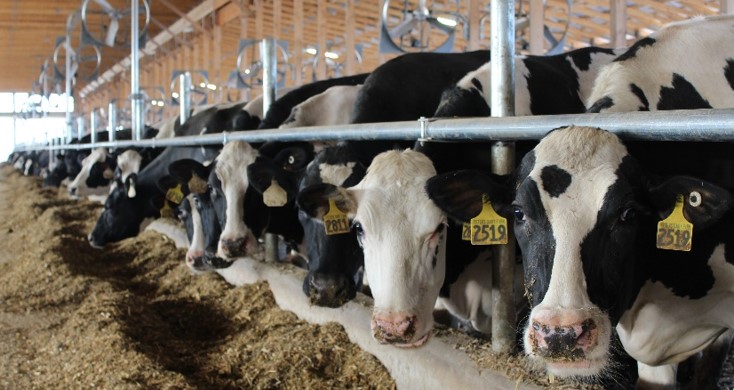
As another year comes to a close, many dairy and livestock producers are taking time to step back, reflect and plan for the year ahead. The past year has shown us, once again, that markets can shift quickly, costs can fluctuate unexpectedly, and weather remains as unpredictable as ever. For producers across the Northeast, preparing for 2026 means more than setting goals and updating budgets; it means evaluating your farm’s entire risk management approach to make sure you’re positioned for stability and success. Taking a proactive approach to risk today can help you avoid surprises tomorrow.
Why Evaluating Risk Management Matters Now
Agriculture continues to face rapid shifts with global demand changes, tight cattle supplies, weather challenges and rising input costs all influencing your bottom line. A strong risk management plan doesn’t remove uncertainty, but it does help you navigate it with confidence by defining how much risk your operation can realistically absorb.
6 Key Areas to Review Before 2026
1. Review Your Current Strategy
Evaluate your 2025 approach:
- How well did Dairy Revenue Protection (DRP) support your milk revenue?
- Did Livestock Risk Protection (LRP) meet your needs for calves or cattle?
- Where were the gaps?
This reflection helps you better tailor coverage for the year ahead.
2. Reassess Financial Goals
Are you expanding, improving facilities or managing more debt? Any change in your business plan should influence your level of price protection for 2026.
3. Update Break-Evens & Margin Expectations
Evaluate feed costs, production levels and operational expenses. Understanding your true cost of production is essential for determining how much downside risk your farm can tolerate.
4. Consider DRP & LRP Tools
DRP offers revenue protection for milk by helping stabilize income when markets shift.
LRP protects beef and dairy operations against cattle price declines, with flexible coverage lengths and no upfront premium.
Both tools can support more predictable cash flow and strengthen lender conversations.
5. Run Scenario Plans
Ask the key “what if” questions:
- What if milk prices drop?
- What if cattle prices soften?
- What if feed rises again?
Scenario planning highlights where protection is needed most.
6. Align Your Risk Strategy With Your 2026 Plan
Ensure your risk tools complement your operational goals, cash flow needs and long-term strategy. A cohesive plan creates clarity and confidence heading into the new year.
Looking Ahead
Preparing for 2026 starts with understanding your numbers, reviewing your protection tools and making informed decisions before volatility strikes. By evaluating your risk management strategy now, you can enter the new year positioned for stability and long-term success.
If you’re ready to review your 2026 plan or would like help exploring DRP or LRP coverage, reach out to a Crop Growers Dairy and Livestock Risk Management Specialist or your local Farm Credit East office. We’re here to support you every step of the way.
Connect with your Crop Growers agent today to learn more about risk management solutions tailored for your farm.

Crop Growers is an equal opportunity provider.

Livestock Insurance Specialist
- Share this post on


