April 28, 2026
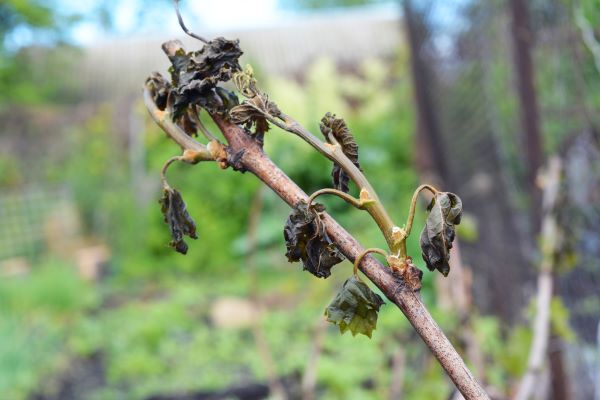
The short stretch of warm days in April prompted an early start to the growing season for orchards and vineyards across the Northeast. Unfortunately, the early morning hours of April 21, 2026, brought low temperatures — with some growers reporting as low as 19 degrees. As the sun came up and any remaining frost dissipated, growers inspected their crop. There was anywhere from 10% to 100% damage. The reports varied depending on the area and elevation.
Certainty in a Dire Situation
Those with crop insurance had some reassurance. Northeast growers insure almost 36,000 acres of apples, 14,000 acres of blueberries, 19,000 acres of grapes, and 2,500 acres of peaches. 2025 paid out multiple indemnities, so while many were expecting a somewhat “normal” crop for 2026, the peace of mind provided by their crop insurance policy was one element of certainty in a situation with an unknown outcome.
Next Steps for Insureds
Producers with crop insurance should notify their crop insurance agents within 72 hours of initial discovery of damage. At that point, someone from the Approved Insurance Provider’s (AIP) Claims Team will reach out to assign an adjuster and schedule an initial visit.
Insureds should expect multiple visits from their adjuster throughout the growing season. Visits will start around June drop, when emergence and damage to crop can be more accurately determined. Following, communication between insured and adjuster is critical as the official appraisal needs to be completed within 10-14 days of harvest to assess quality and/or quantity while fruit is still on the tree. Upon harvest, acceptable records will need to be provided to the adjuster for verification. See the Crop Insurance Handbook for further information on acceptable records.
Insured’s Responsibilities
An insured grower is still expected to care for their orchard or vineyard in the same manner they normally would, to produce a crop. While it’s understood that trees or vines with a clearly documented, insured loss may not receive the same level of treatment, the grower should discuss any changes in management with their adjuster. As with all perennial crops, routine maintenance remains essential to ensure the plants stay healthy and productive for the following season.
Multi-Peril Crop Insurance
The 2026 crop year has already begun for those with crop insurance policies. If you are interested in determining eligibility and obtaining coverage for the 2027 crop year, please contact Crop Growers at 800-234-7012 to speak with a licensed agent in your area.

Crop Growers is an equal opportunity provider.

Crop Insurance Senior Advisor
- Share this post on


