March 3, 2026
2026 Green Industry Outlook: Cautious Optimism in a Shifting Economy
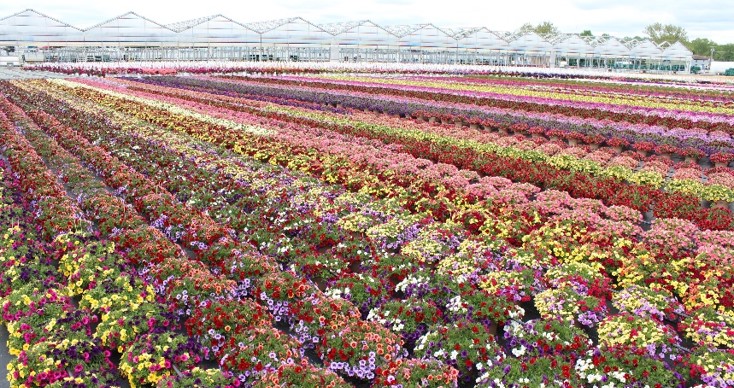
While the broader economy is shifting sideways, opportunities remain strong for green industry producers who stay nimble, informed and ready to adapt. In a recent Farm Credit East webinar, Texas A&M’s Dr. Charlie Hall covered what’s ahead for the green industry in 2026. From fluctuating housing markets to rising input costs and evolving consumer behavior, this year is shaping up to be one of cautious optimism for the greenhouse, nursery and landscaping sectors.
A Mixed 2025 Sets the Stage for a Stabilizing 2026
Last year’s performance painted a wide spectrum of outcomes across the industry. Some greenhouse operations saw increases in sales, units and profits, while others struggled with declines.
Much of this variability stemmed from regional economic conditions and weather, reinforcing how important location and climate specific planning have become for greenhouse growers. Despite the unevenness, the underlying trend suggests growers are still performing above pre-pandemic benchmarks.
Rising Input Costs and Tariff Pressure
The supply chain has settled significantly since the pandemic, but new global tariffs are reintroducing uncertainty. As inventory stockpiles run down, producers should expect input prices to climb again.
After a modest 1.6% increase in 2025, input costs are projected to jump another 3.7% in 2026. Cumulatively, growers have absorbed roughly a 25% increase in inputs since 2020, making pricing strategies and margin management more important than ever.
Labor Softens but Remains a Structural Challenge
The labor market is cooling, with job openings down and hiring slowing, but it’s not collapsing. Wages continue to rise, albeit at a slower pace. The bigger issue is structural as long-term labor shortages aren’t expected to be resolved without broader immigration reform. For greenhouse producers, this means planning ahead for recruitment, considering automation where feasible and staying proactive with workforce retention.
The Housing Market: The Mega Driver for Greenhouse Demand
The housing market remains the single most important economic indicator for the green industry. Most forecasts expect stable or increased housing starts in 2026, particularly in single family homes, providing optimism for the green industry.
The real wild card is mortgage rates. If rates fall near 5.5%, well within historical fluctuation ranges, buyers currently on the sidelines are expected to jump back in. That surge in home buying and new construction could translate directly into higher demand for annuals, perennials, flowering plants and landscape material.
Consumers Are Still Spending, but Differently
Income levels are up, and spending has remained steady though it continues to shift back toward services after the pandemic spike in goods. However, lawn and garden spending has not returned to pre-pandemic levels, meaning consumer interest in plants and gardening remains elevated. Independent garden centers that focus on experience, merchandising and ease of purchasing are outperforming, which in turn benefits growers supplying them.
Planning for 2026
2026 may not bring explosive growth, but it offers steady ground and the potential for significant upside if conditions align. For the green industry, the real opportunity lies in:
- Positioning for housing driven demand
- Monitoring and adjusting for rising input costs
- Strengthening workforce strategies
- Partnering closely with retailers who deliver strong consumer experiences
- Watching mortgage rates as a leading demand trigger
To dive deeper into the above topics, review the webinar recording along with the presenter’s PowerPoint slides, or read the 2026 Green Industry Outlook.

- Share this post on


