October 14, 2026
Cybersecurity Awareness Month: Trending Scams to Watch For
By: Deanna Becker
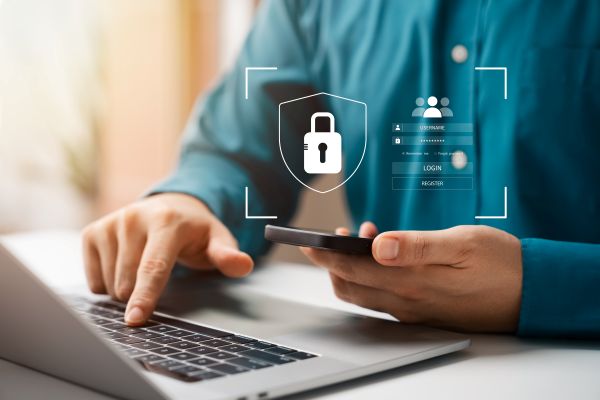
October is Cybersecurity Awareness Month, a time to recognize today’s evolving online threats and the steps everyone can take to stay safer. Every day, cybercriminals develop new ways to steal information, access accounts and trick people into sending money. Technology continues to evolve, but many scams still rely on a simple tactic: convincing someone to trust the wrong person.
This Cybersecurity Awareness Month, we're highlighting four scams to watch for and sharing practical steps to stay protected.
1. AI-Generated Phishing Emails
Artificial Intelligence (AI) is allowing scam emails to be more convincing than ever. Many phishing emails no longer contain obvious spelling mistakes or unusual wording. Instead, they may appear professional, personalized and urgent.
What to watch for:
- Unexpected requests for personal information
- Messages creating a sense of urgency
- Links directing you to unfamiliar websites
- Requests to verify account credentials
How to stay safe:
- Avoid clicking links in unexpected emails
- Navigate directly to trusted websites
- Double-check requests through known contact information
2. Fake Text Message Alerts
Criminals commonly impersonate banks, delivery companies, toll services and government agencies via text messages.
How to stay safe:
- Do not click links from unexpected text messages
- Contact the organization directly using trusted contact information
- Delete and report suspicious messages
3. QR Code Scams
QR codes have become commonplace, but scammers are finding ways to misuse them. Criminals may place their own QR code stickers over legitimate ones, which can lead users to fraudulent websites that attempt to capture login credentials or payment information.
How to stay safe:
- Verify where a QR code came from before scanning
- Review the website address before entering information
- Be cautious when scanning codes found in public locations
4. Account Takeover Attacks
Account takeover attacks occur when criminals gain access to an online account using stolen usernames, passwords or authentication codes. Once inside an account, they may attempt to change passwords, access personal information or use the account to facilitate fraud. Unexpected account change texts or emails can indicate that this is taking place, or unexpected MFA prompts.
If you believe an account has been compromised, change your password immediately by going directly to the official website or app, and contact the institution via known contact information.
How to stay safe:
- Use a unique password for each account
- Enable multi-factor authentication whenever possible
- Never approve unexpected MFA requests
- Monitor important accounts for unusual activity
Security Is a Shared Responsibility
Cybercriminals are increasingly targeting people rather than technology, making awareness one of the strongest lines of defense. Pausing before responding and verifying unexpected requests through a trusted channel can significantly reduce the risk of fraud or account compromise.
Farm Credit East is addressing these evolving risks by monitoring emerging threats and sharing practical guidance to help customers and staff recognize and respond to suspicious activities. This Cybersecurity Awareness Month, take time to review your online security habits and share these tips with family and friends.

Director of Information Security
- Share this post on


