Harvest often provides the clearest picture of a farm's financial performance. This year, many producers are balancing strong yields with continued pressure from fuel, input and operating costs. To help address those challenges, USDA recently announced the new Harvest Fuel Relief Program (HFR), a one-time $8 billion assistance program for agricultural producers.
Today’s Harvest Blog
Today’s Harvest is a valued, timely resource for stories, news, tips and information relevant to Northeast agriculture and our customers.

Latest From Today's Harvest Blog

Latest Tax Talk

Tax Talks
Update: Diesel Fuel Tax Provisions
Earlier this month, Executive Order, Emergency Tax Relief on Diesel Fuel, was signed by the President with the purpose of deferring certain diesel fuel tax payment obligations and to provide penalty relief. As a result, the IRS acted and indicated it will not impose a penalty when dyed diesel fuel is sold for use or used on highways nationwide.
October 22, 2026
Today's Harvest Blog
The search results are displayed
Public Policy
House Ag Committee Chair Introduces Labor Legislation
Finding and retaining workers remains one of the biggest challenges facing agriculture today. The H-2A program was created to provide a legal guestworker program to help agricultural employers address labor shortages. While participation has increased in recent decades, the program has struggled to keep pace with the needs of today’s operations. New federal legislation aims to modernize the H-2A program to better meet employers’ needs.
August 25, 2026
Crop Insurance
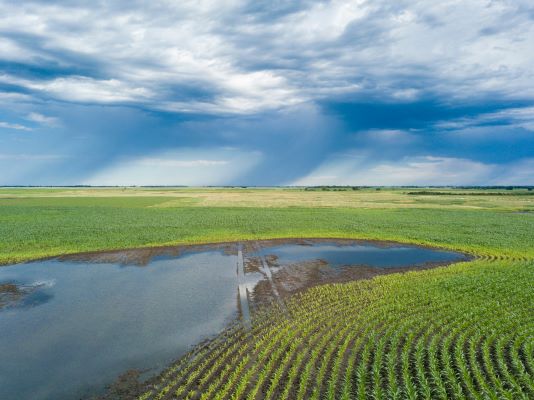
The Return of Prevented Planting Plus 5%: What Producers Need to Know
The USDA Risk Management Agency (RMA) has reinstated the Prevented Planting Plus 5% option for the 2027 crop year. Producers will once again have the opportunity to purchase an additional 5% of prevented planting coverage, providing greater protection when adverse weather prevents intended acres from being planted.
August 17, 2026

Crop Insurance
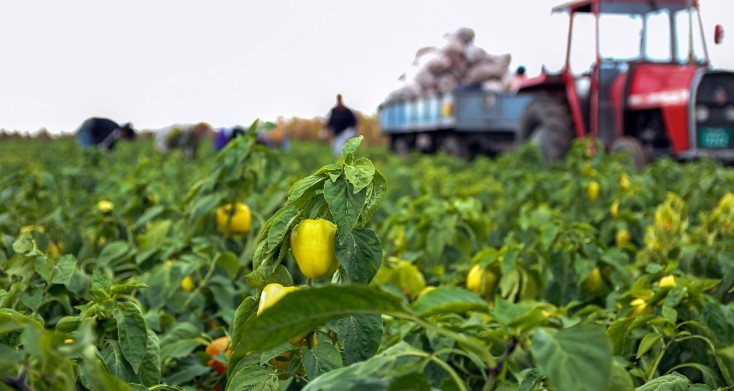
Fresh Market Pepper Coverage Expands in the Northeast: What It Means for Producers
The USDA Risk Management Agency has expanded fresh market pepper crop insurance coverage to additional counties in Connecticut, Massachusetts, and New Jersey, offering producers enhanced risk management tools aligned with production cycles and market conditions.
August 12, 2026

Ag Economy
New Report Examines Dairy Price Support Policies Across the Northeast
For dairy farmers in the Northeast, profitability depends on factors outside their control. Milk prices fluctuate while production costs continue to rise. When milk prices fall below the cost of production, the financial pressure can be considerable and, ultimately, create the conditions that lead to dairy farm exits.
August 05, 2026
Meet the Authors
Connect with and discover our Today’s Harvest blog authors and their broad range of financial and northeast agricultural expertise.